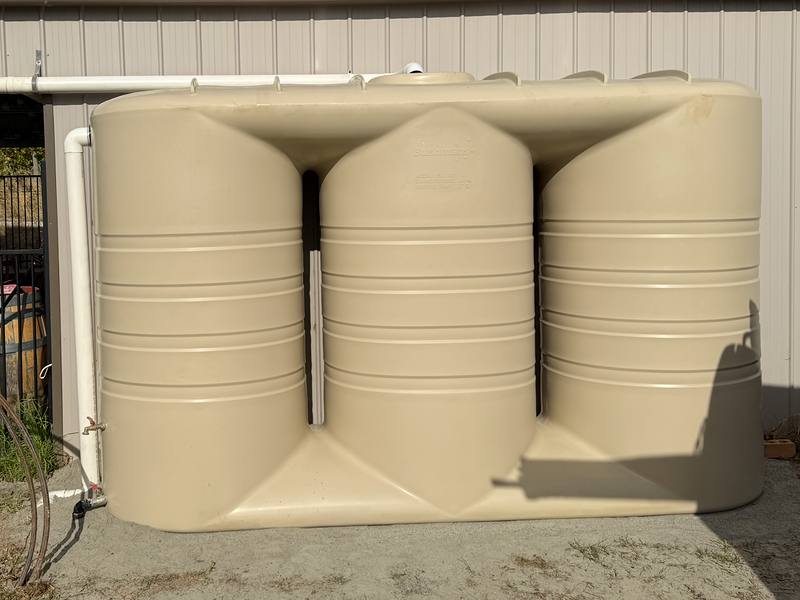
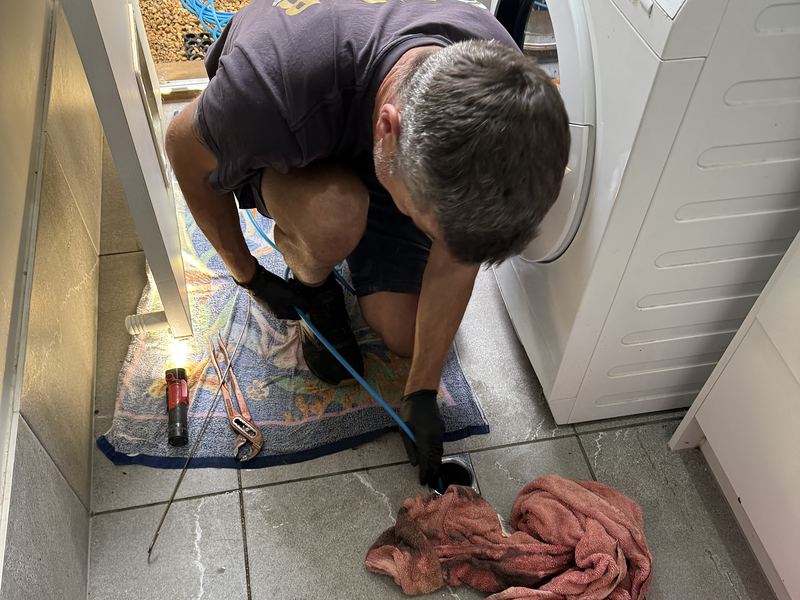
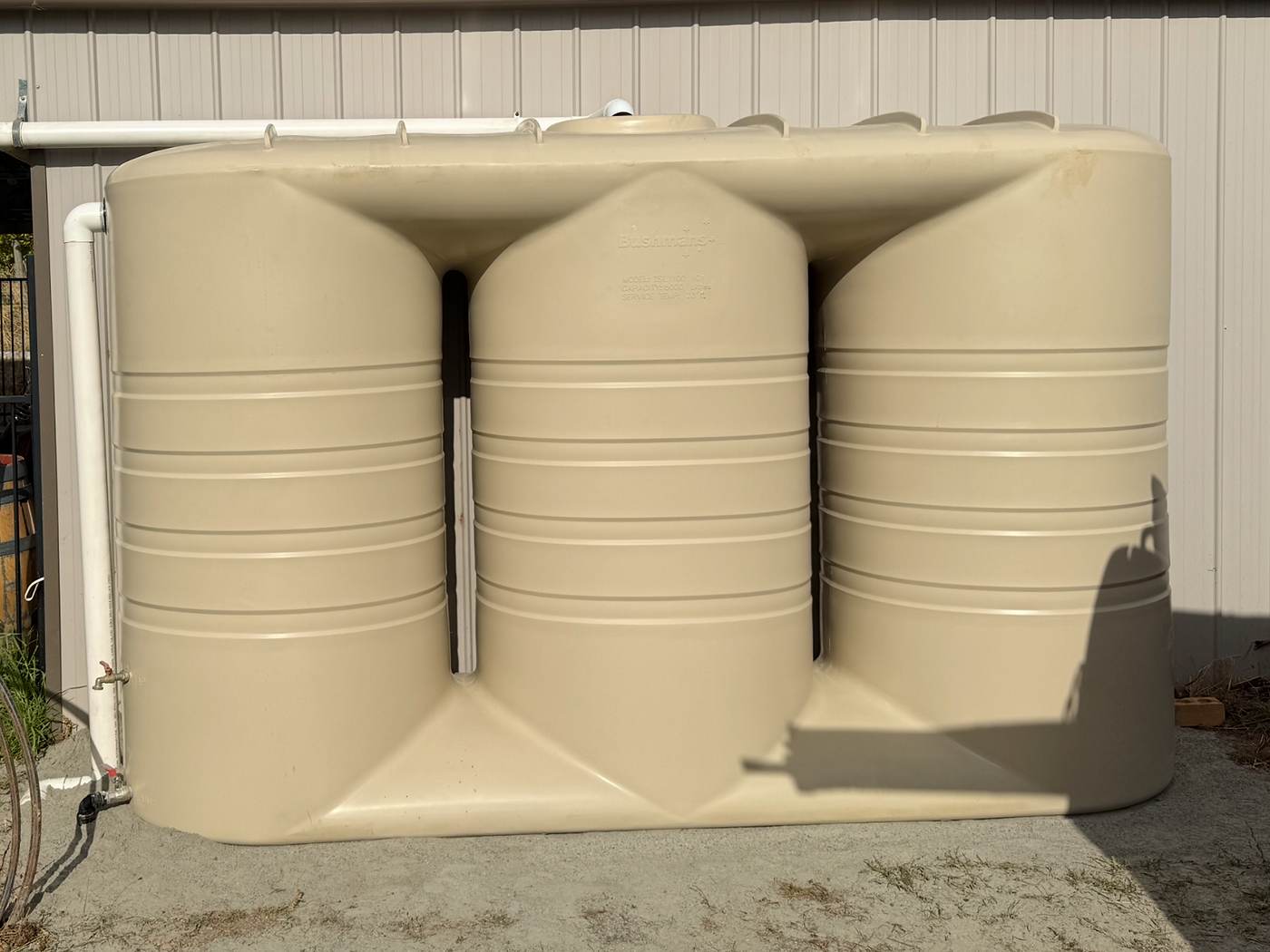
Plumbing a rainwater tank into a house means more than a hose from the tank. You need a pressure pump, a supply line to the fixtures you want on tank water, screens and an overflow on the tank, and if the house is also on mains water, the right backflow protection so tank water can never get back into the mains. In South Australia a licensed plumber has to do the connection and give you a Certificate of Compliance.
The rule for new homes and extensions
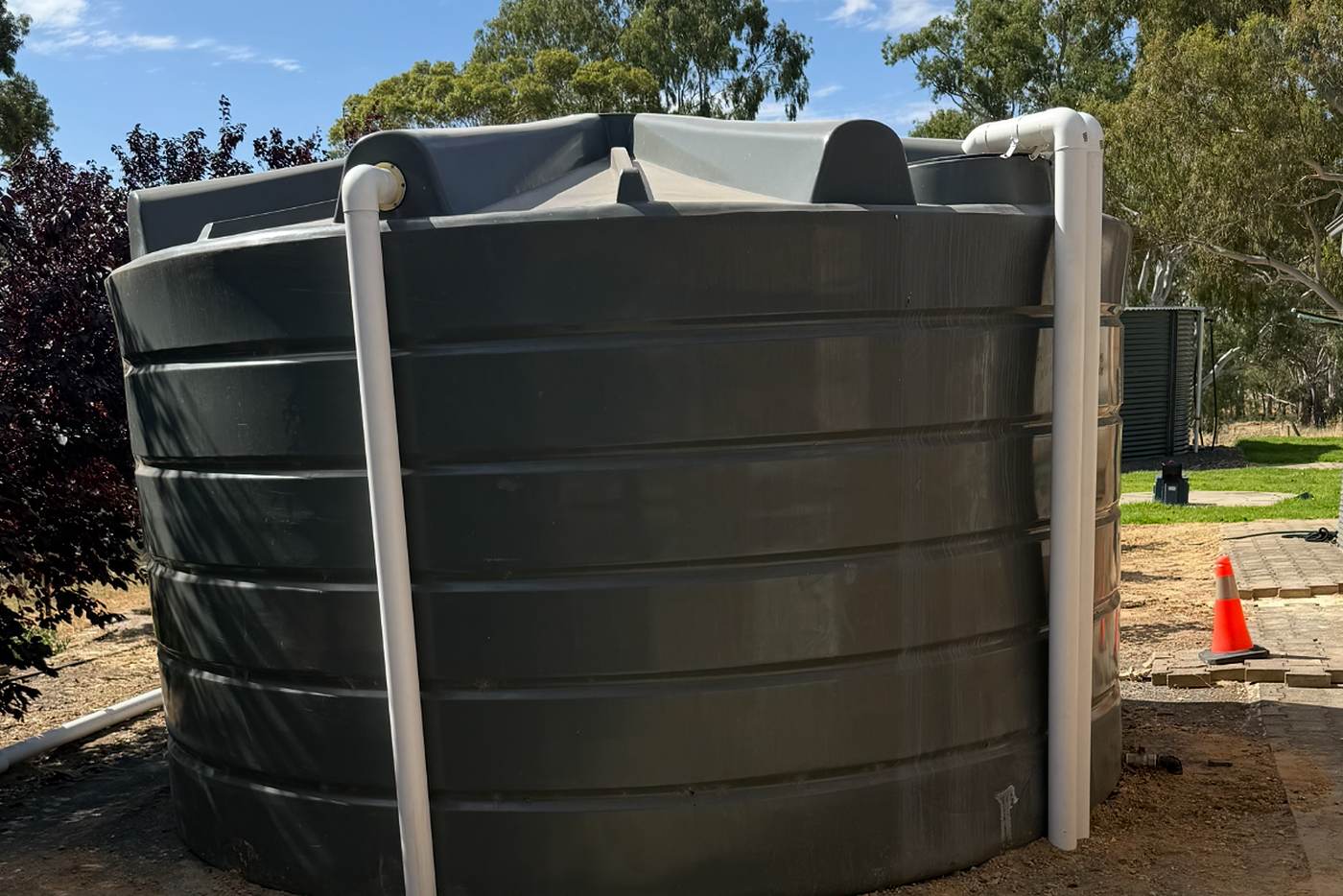
South Australian building rules say new homes need an additional water supply, and most people meet it with a plumbed rainwater tank. The key points, from the SA Government and the Barossa Council:
- The tank must hold at least 1 kilolitre (1,000 L). That is on top of any tank you need for bushfire fighting.
- It must be plumbed to a toilet, a water heater, or all the cold water outlets in the laundry.
- The same applies to extensions or alterations over 50 square metres that include a toilet, water heater or laundry cold tap.
- Every tank needs an overflow device and a mosquito-proof, non-degradable screen.
- It has to be in place before the house or extension is occupied.
Do you need approval for a tank?
For an existing home or business in the Barossa, the council says most tanks don’t need development approval unless the tank is larger than 10 square metres or 4 metres high. Use the PlanSA portal to check your exact case before you order a big one.
What to connect it to
The Barossa Council makes a good point: a smaller tank plumbed into the toilets and washing machine often saves more water than a big tank used only for the garden, because those fixtures get used every day of the year. On rural blocks with no mains, the tank supplies the whole house, including the kitchen, bathroom, laundry and hot water.
The pump makes or breaks it
Most tank water complaints come back to the pump or the filter in front of it. A pump that is too small, worn out or fighting a blocked filter gives you weak showers and pressure that drops when two taps run. Signs it’s time to get it looked at:
- The pump cycling on and off when nobody is using water.
- The pump running without stopping, or not starting at all.
- Air spitting out of the taps.
- Cloudy or smelly water at the tap.
Craig tests the pump first. If it’s worth repairing he’ll tell you, and if it’s finished he’ll fit a new one sized for the house.
Pump stopped? Ring Craig on 0499 319 297.
Tank and mains together: backflow protection
If your house has SA Water mains as well as a tank, the two supplies can’t simply be joined. SA Water says that when an alternate supply is connected on a property, the backflow risk has to be assessed by a licensed plumber under AS/NZS 3500.1, and a suitably rated backflow prevention device installed to protect the drinking water supply. A rainwater changeover set-up then lets the house run on tank water and switch to mains when the tank gets low.
Drinking tank water
SA Health says rainwater is generally safe to drink if it is clear, has little taste or smell and comes from a well maintained system. Their advice for a good supply:
- Fit a first-flush diverter so the dirtiest run-off after a dry spell doesn’t go into the tank.
- Keep gutters clean, cut back overhanging branches, and keep screens on the inlet and overflow.
- Check for sludge on the tank floor at least every two years.
- For people who are immuno-compromised, the very young or the very old, boil the water or install a UV unit for continuous disinfection.
- Rainwater has no fluoride, so ask your dentist about alternatives if it is your main drinking water.
Regular lab testing isn’t needed for a household tank. Craig installs whole-house filtration and UV, which is the usual set-up for drinking tank water.
A quick checklist before you buy
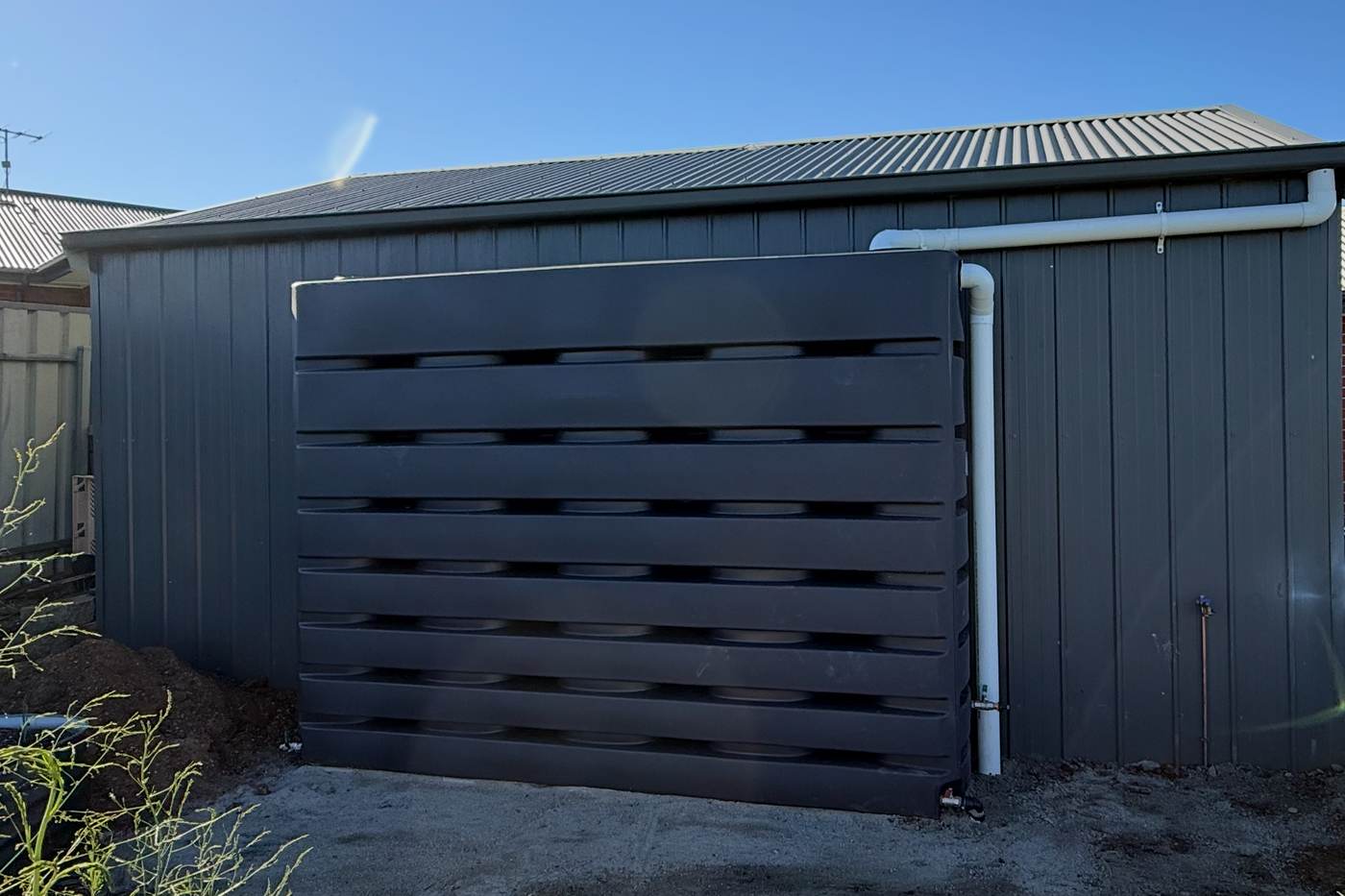
- How much roof can drain to the tank, and where the downpipes are.
- Where the tank and pump will sit, on a level, solid base.
- Which fixtures go on tank water.
- If the house is on mains too, the changeover and backflow device.
- Filter and UV if you’re drinking it.
- Where the overflow goes.
Send Craig the details and a few photos and he’ll work out what’s needed. More on our rainwater tanks and pumps page.
We’re based in Williamstown and work right across the Barossa Valley, Gawler and surrounds, including Mount Pleasant, Angaston and Lyndoch. Ring Craig on 0499 319 297, call Hayley in the office on (08) 8472 9507, or send us the details.
Sources
- SA.GOV.AU: Rainwater tanks (building rules)
- The Barossa Council: Install a rainwater tank
- SA Health: Rainwater
- SA Water: Backflow prevention requirements for water connections (PDF)
Rules and schemes change. These sources were checked on 19 October 2026. Licence: LIC PGE341299.
More from the blog
- How often should a septic tank be pumped out in the Barossa?
- Heat pump, gas or solar hot water: which suits a Barossa home?
- Blocked drains and tree roots: signs, causes and fixes
- Gas leak or burst pipe: what to do before the plumber arrives
- Stormwater drainage problems: pooling water, overflowing pits and blocked downpipes
- CCTV drain inspections: what the camera shows and when you need one