Tree roots block drains by growing into the joints and cracks of underground pipes, chasing the water inside. The first signs are slow drains, gurgling toilets and a yard gully that overflows. The fix is to find the blockage, clear it with a high-pressure jetter, then look at the pipe with a camera. If the roots got in through a broken section, that section needs replacing or they will grow back.
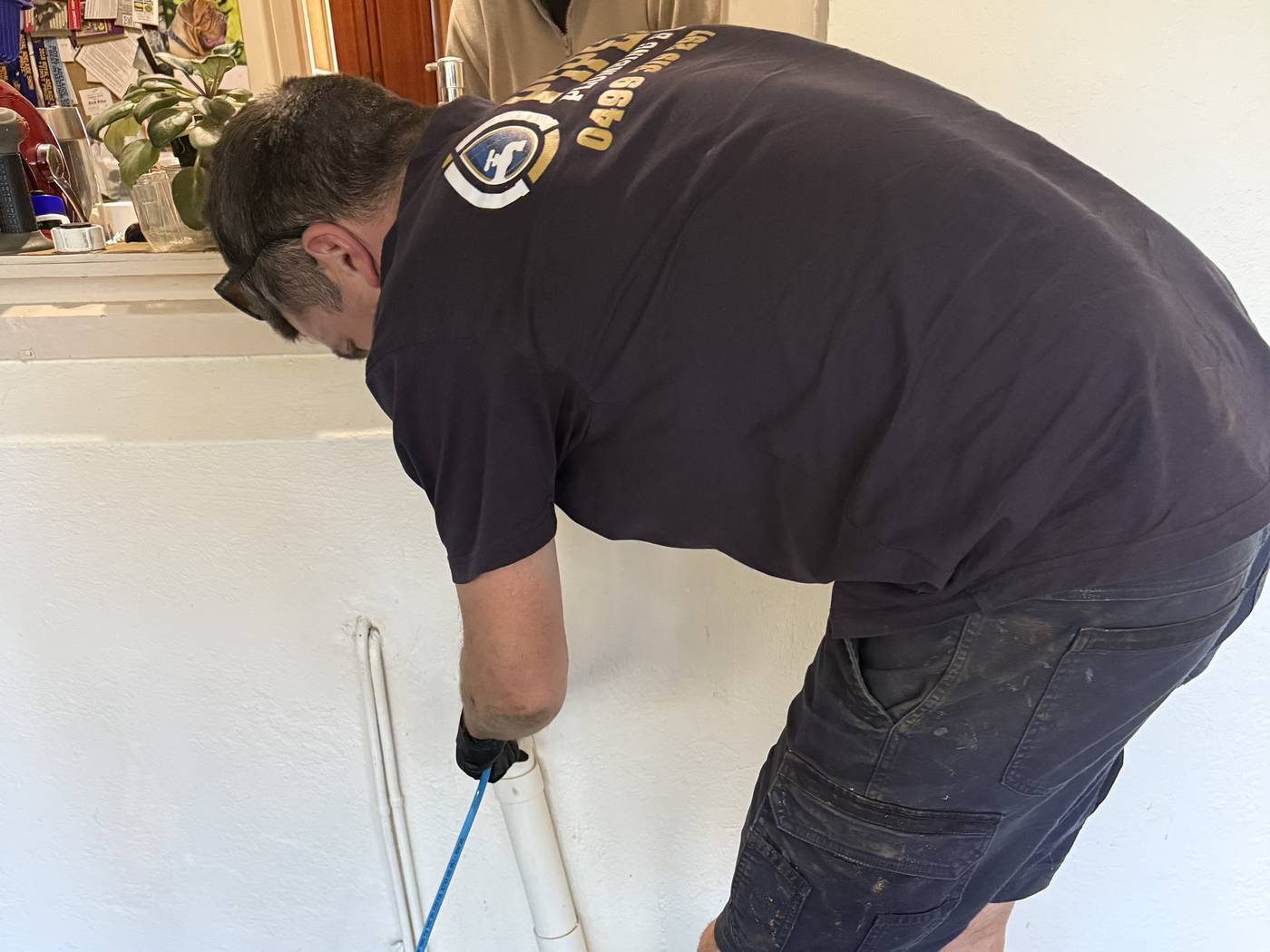
Signs roots are in your sewer line
- Slow drains. Water sits in the sink, basin or shower before it goes down.
- Gurgling. The toilet or floor waste gurgles when the washing machine or dishwasher empties.
- Smells. A sewer smell in the bathroom or around the gully in the yard.
- Water coming up. The floor waste or yard gully fills instead of draining.
- Several fixtures at once. When the toilet, shower and sinks all play up together, the blockage is usually in the main line.
- It keeps coming back. A line that blocks every few months is often a root problem.
Why roots get in
SA Water lists tree roots first among the common causes of sewer blockages, ahead of fat, foreign objects and collapsed pipes. Roots go looking for moisture, and a sewer pipe with a loose joint or a crack is a steady supply. Older yards with clay pipes and big established trees are the usual suspects, and so is ground that has moved and opened up a joint. Once a fine root gets in, it thickens into a mat that catches everything else going down the line.
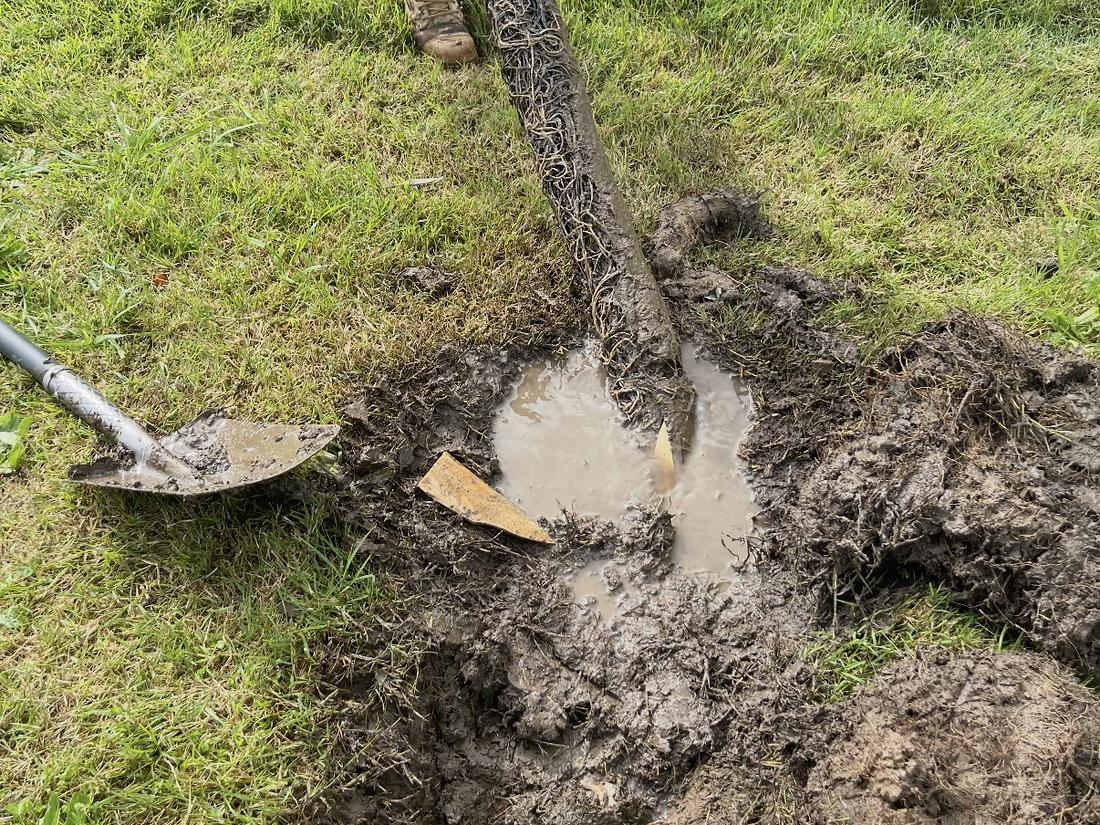
How we clear it
- Find it. Craig works out which line is blocked and where.
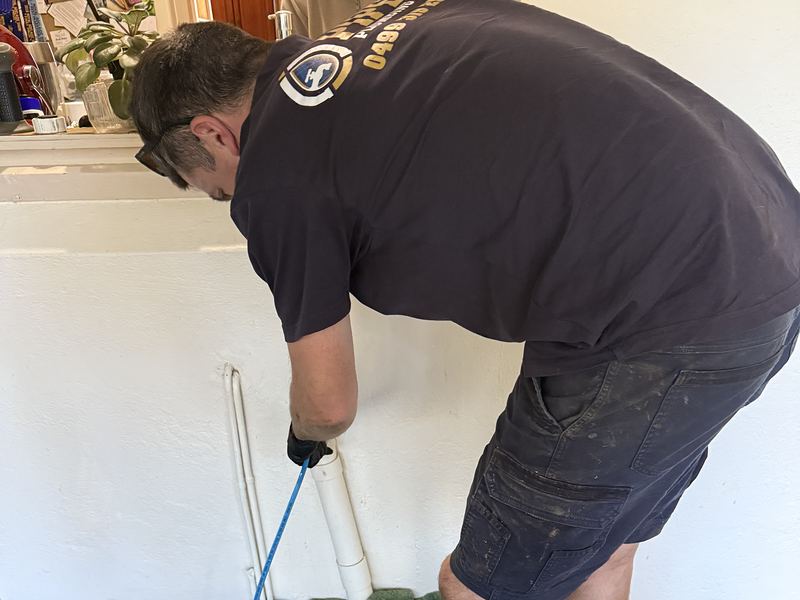
- Clear it. The hydro jetter pushes water through at high pressure. It cuts through roots, grease and built-up waste and washes the pipe walls clean.
- Look at it. The CCTV drain camera goes down the line to show why it blocked and whether the pipe is damaged.
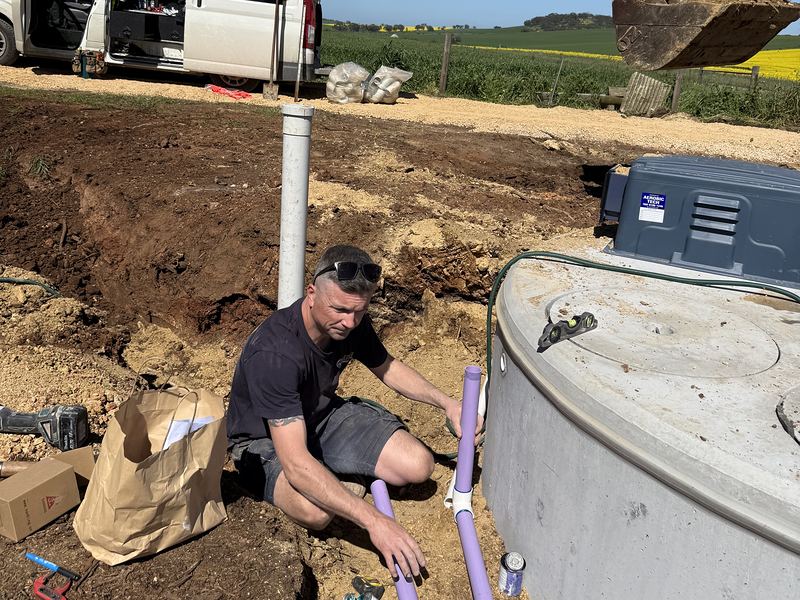
- Fix the pipe. Cracked, sagging or root-filled sections can be dug up and replaced, so the blockage doesn’t keep coming back.
You’ll hear what caused it and what any repair would cost before it goes ahead. More on our blocked drains page.
Sewage backing up? Ring Craig on 0499 319 297.
Whose pipe is it?
Who clears a blockage depends on where it is and what your property is connected to.
On SA Water sewer
The pipes on your property are yours to maintain, so a licensed plumber is the first call. SA Water says that if the plumber finds the blockage is in SA Water’s pipes, they report it and SA Water sends someone to clear it, because plumbers aren’t allowed to work on SA Water infrastructure. For a sewage overflow, SA Water’s 24/7 line is 1300 729 283.
On the Barossa Council’s CWMS
Mount Pleasant, Williamstown, Lyndoch, Tanunda, Nuriootpa, Springton and Stockwell are on the council’s Community Wastewater Management System. The council has a simple test: find your boundary connection point (the inspection point, or IP), lift the lid and run a tap inside.
- No water flowing through the IP: the blockage is most likely on your property. Call a licensed plumber.
- Water has filled the IP: the blockage is most likely in the council’s drain. Call the council, which has a 24 hour CWMS line on 8563 8444.
Keep the IP uncovered and easy to reach. Don’t pave or build over it.
On septic
A blocked line between the house and the tank is a plumbing job. A full tank needs a pump out. Our post on septic tank pump outs in the Barossa explains the difference.
Keeping roots and blockages out
- Think about what you plant near the sewer line. SA Water publishes a tree planting guide for this.
- Wipes go in the bin. SA Water says they don’t break down the way toilet paper does.
- Wipe greasy pans out before they go in the sink.
- If a line keeps blocking, get it camera-checked instead of clearing it again and again. Replacing the damaged section is usually what stops it.
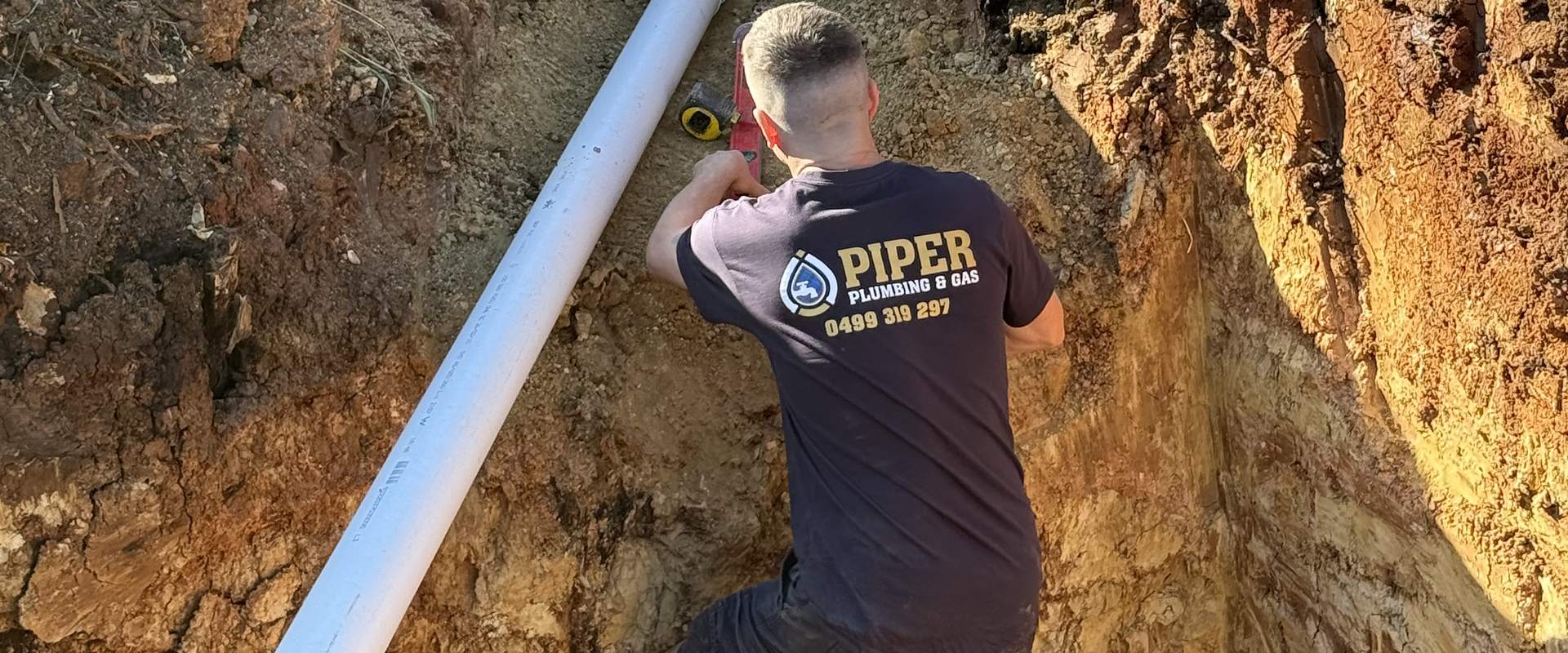
We’re based in Williamstown and work right across the Barossa Valley, Gawler and surrounds, including Tanunda, Lyndoch and Gawler. Ring Craig on 0499 319 297, call Hayley in the office on (08) 8472 9507, or send us the details.
Sources
- SA Water: Sewer blockages and overflows
- The Barossa Council: CWMS connections (sewerage overflows or blockages)
Rules and schemes change. These sources were checked on 9 October 2026. Licence: LIC PGE341299.