A septic tank in the Barossa should be pumped out (desludged) at least every four years. The Barossa Council says every septic system needs a professional contractor to desludge the tank at least every four years, and some need it more often depending on the tank size and how hard it works. Aerobic systems are different again: they need a service every three months.
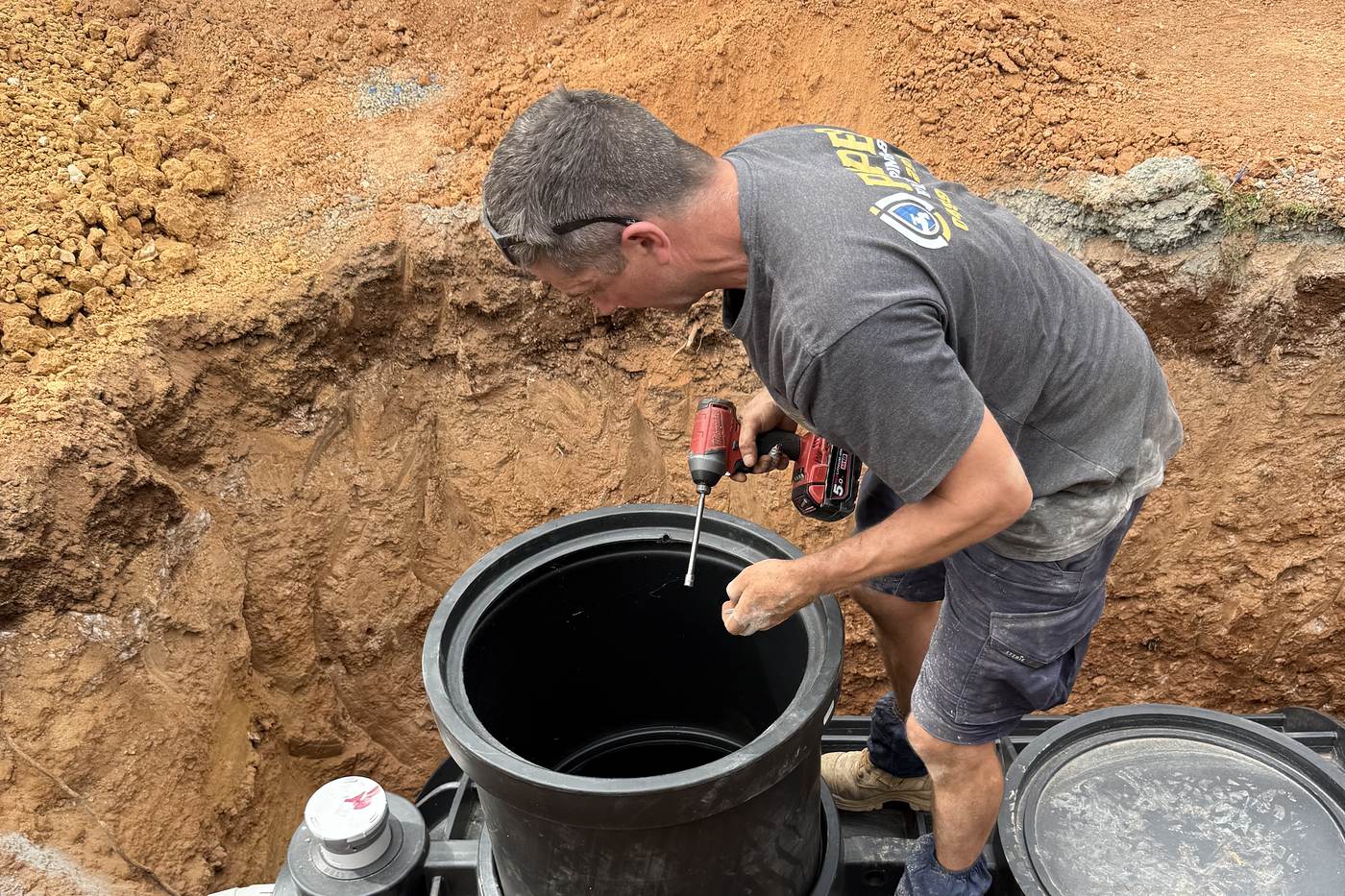
First, which system have you got?
Plenty of Barossa properties aren’t on mains sewer, and the answer changes depending on what sits under your yard.
- Conventional septic. A septic tank plus a soakage trench. Solids settle in the tank and liquid soaks away through the trench. Common on rural blocks.
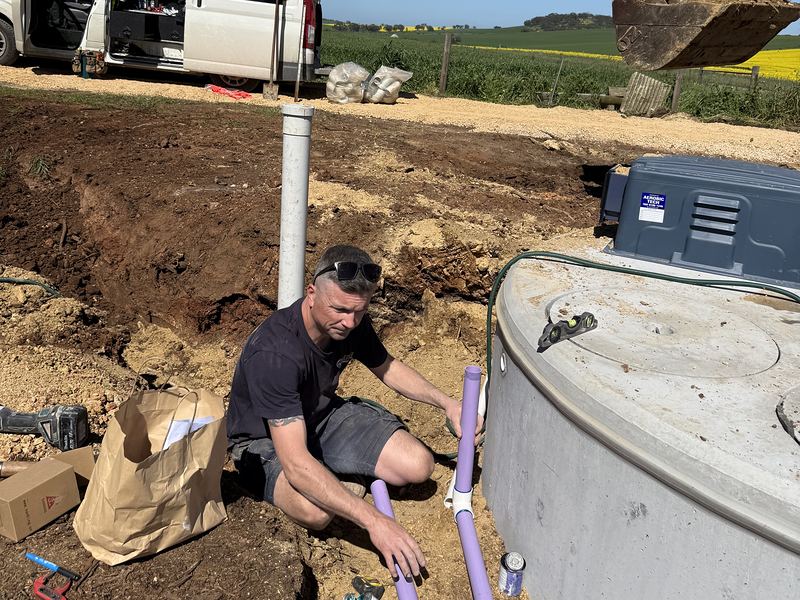
- Aerobic system. A primary tank, then a second tank with an aeration blower, a pump chamber and an irrigation area. You’ll usually know because it has an alarm light and a blower you can hear.
- CWMS. A Community Wastewater Management System. You still have a septic tank on your block, but the liquid runs out to the council’s network instead of a trench. The Barossa Council runs CWMS in Mount Pleasant, Williamstown, Lyndoch, Tanunda, Nuriootpa, Springton and Stockwell.
Not sure? Your rates notice will usually tell you if you pay for CWMS, and the council’s records will show what was approved for the property.
How often for each one
| System | Pump out or service | Who books it |
|---|---|---|
| Conventional septic | Desludge at least every 4 years | You, with a licensed liquid waste contractor |
| Aerobic system | Service every 3 months, including pumping | You, with an accredited service agent |
| Septic tank on CWMS (Barossa Council) | Desludged at most every 4 years | The council, through your rates |
On the Barossa Council’s CWMS, the council arranges an EPA licensed contractor to desludge your tank as part of your annual rates, and the contractor gives you notice. Your job is to make sure the tank lid is uncovered and easy to get to before they arrive.
Why four years matters
Sludge builds up at the bottom of the tank and scum floats on top. If the tank isn’t pumped out, the solids start moving through to the soakage trench. The council’s explanation is blunt: once the trench is clogged, effluent can break through to the surface, overflow and become a health hazard. Pumping out a tank is a routine job. Replacing a failed trench is a much bigger one.
Signs it needs doing sooner
- Toilets, showers and sinks draining slowly right through the house.
- Gurgling pipes when a tap or the washing machine empties.
- Sewage smells near the tank, the trenches or inside.
- Soggy ground or lush green patches over the tank or trench.
- The alarm light on an aerobic system.
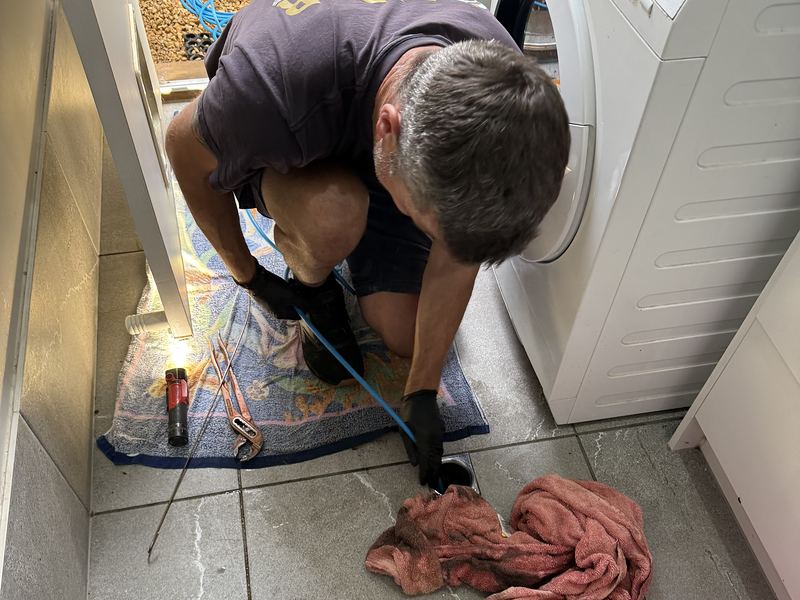
- Wastewater backing up into a floor waste or the yard gully.
Some of these point to a full tank. Others point to a blocked or broken pipe between the house and the tank, which a pump out won’t fix. That’s where we come in.
Wastewater coming up? Ring Craig on 0499 319 297.
Who actually does the pump out?
We’re plumbers, so we don’t run a pump-out truck. Desludging is done by liquid waste contractors with a vacuum tanker, and there are local operators in the valley. What we look after is everything around the tank:
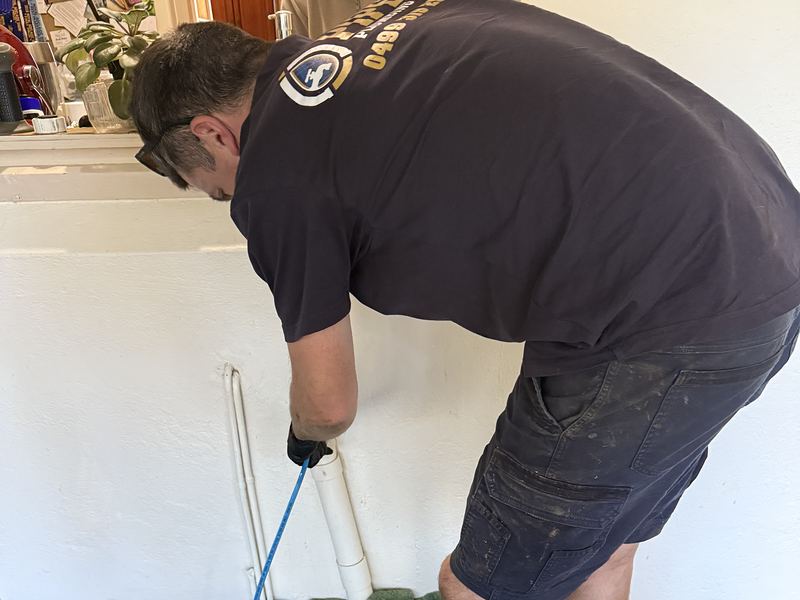
- Blocked or damaged wastewater lines between the house and the tank, cleared with the hydro jetter and checked with the drain camera.
- Slow drains, recurring blockages, odours and backups, found and fixed.
- Septic and wastewater system repairs and replacements.
- New onsite wastewater systems for new builds and replacements.
- CWMS plumbing and property connections.
- Coordinating wastewater engineering, system design and council approvals, and liaising with engineers and authorities.
If the pump-out contractor tells you the tank or trench has a problem, ring us and we’ll find out what’s going on. More on our septic, wastewater and CWMS page.
What affects the cost of a septic pump out
Pump-out pricing comes from the liquid waste contractor, so ask them for a quote. The things that usually change it:
- The size of the tank, and whether there is more than one chamber.
- Access. Buried lids have to be dug out, and a long hose run from the truck takes longer.
- Distance from the contractor’s base.
- Extra work, like an aerobic system service or a tank that has gone well past its due date.
If the plumbing needs work as well, Craig will tell you the price before he starts.
Looking after a septic system between pump outs
The Barossa Council’s maintenance tips are worth following:
- Flush toilet paper only. Wipes (even “flushable” ones), sanitary items and nappies don’t break down.
- Food scraps go in the bin or compost, not down the sink.
- Use cleaners labelled biodegradable or safe for septic tanks, and use them sparingly.
- Keep stormwater, rainwater tank overflows, pool backwash, paint and solvents out of the system.
- Keep mosquito-proof mesh on the vents and the inspection openings sealed.
For a smelly tank, the council suggests hydrated lime from the hardware store mixed with water and flushed down the toilet over a few days. Their page has the amounts.
New or replacement systems need approval
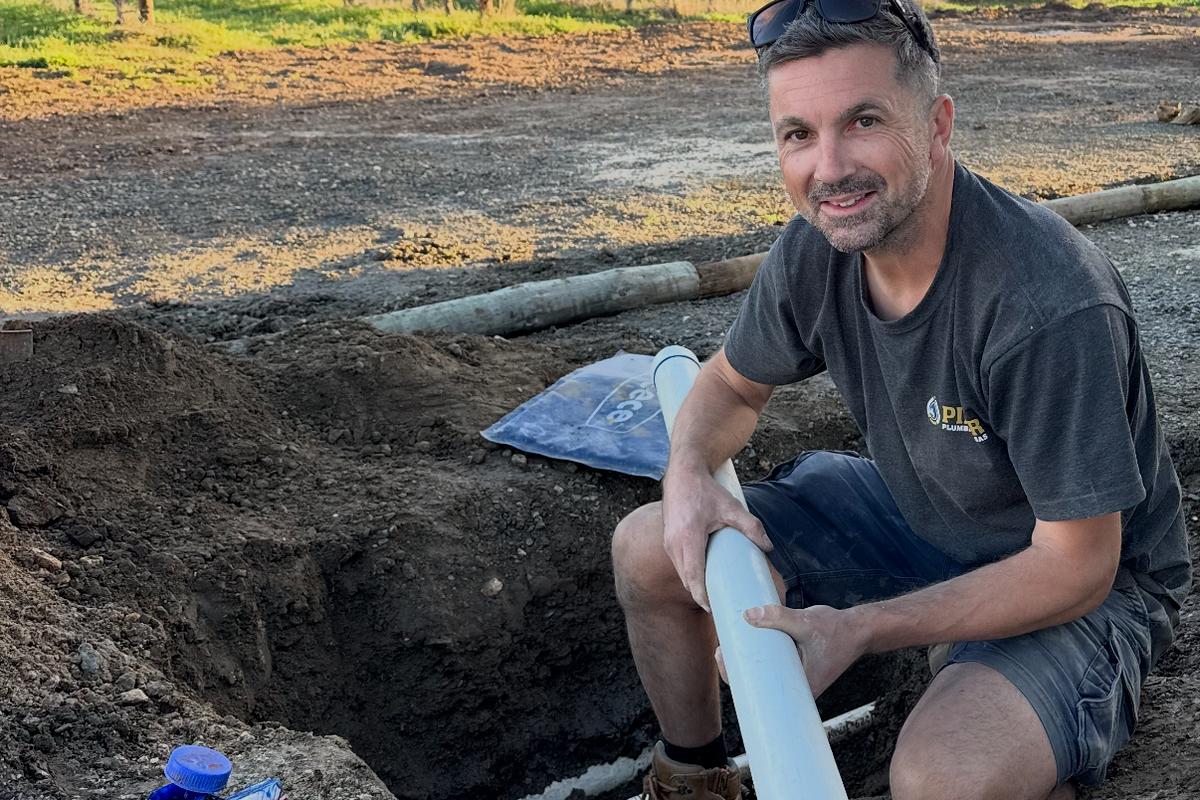
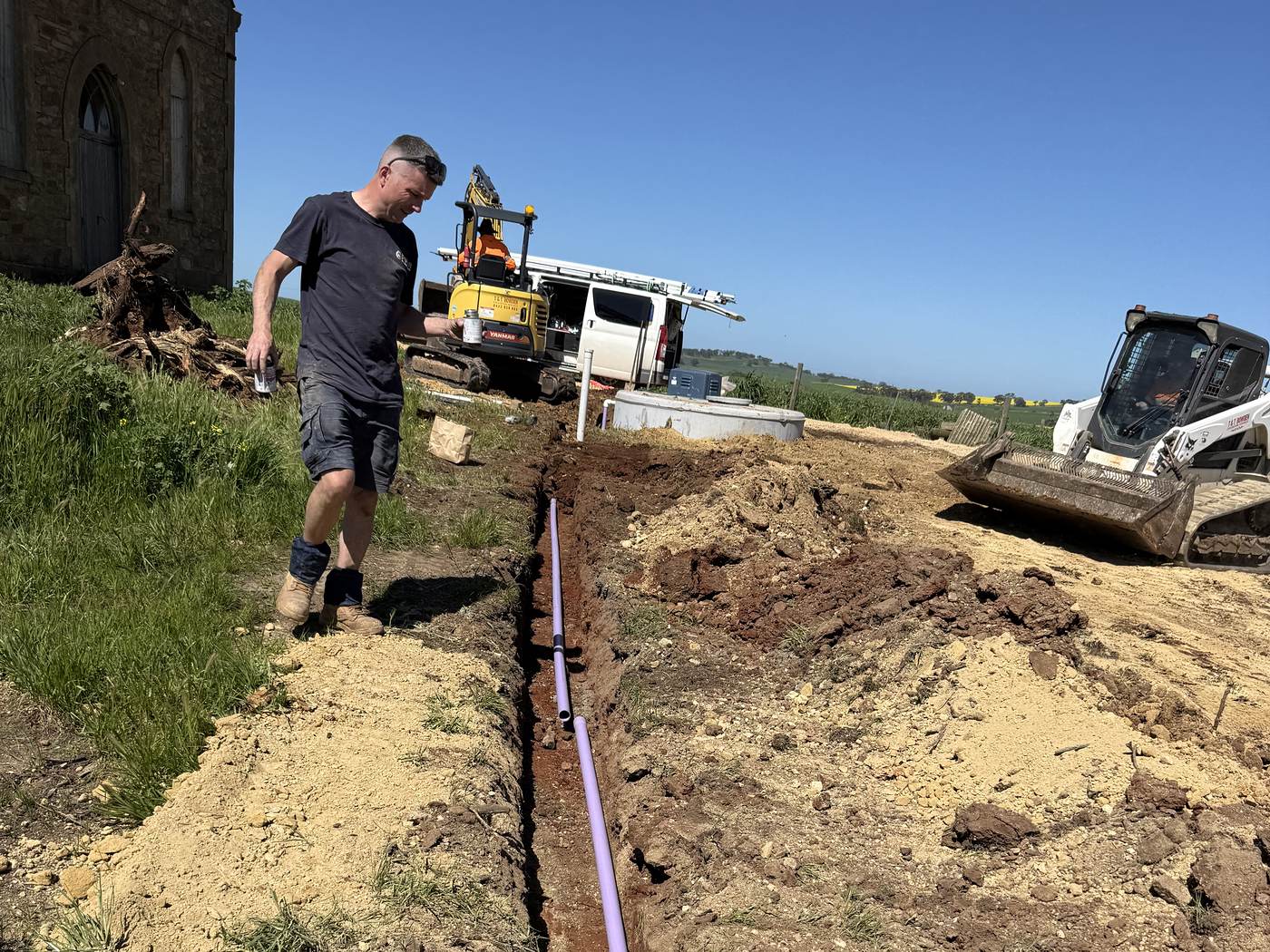
Installing or altering a septic or aerobic system isn’t a weekend job. In South Australia it has to meet the On-site Wastewater Systems Code, and in the Barossa it goes through the council’s onsite wastewater works application. Craig plumbs in new systems, works in with your builder and excavator operator, and can coordinate the design and approvals for you.
We’re based in Williamstown and work right across the Barossa Valley, Gawler and surrounds, including Williamstown, the Barossa Valley and Mount Pleasant. Ring Craig on 0499 319 297, call Hayley in the office on (08) 8472 9507, or send us the details.
Sources
- The Barossa Council: Septic system maintenance tips
- The Barossa Council: Conventional septic systems
- The Barossa Council: Aerobic septic systems
- The Barossa Council: CWMS connections
- The Barossa Council: Wastewater management (onsite wastewater applications)
Rules and schemes change. These sources were checked on 5 October 2026. Licence: LIC PGE341299.