The plumbing in a bathroom renovation happens in two main visits: the rough-in, when new water and waste pipes go into the walls and floor, and the fit-off, when the taps, shower, vanity and toilet are connected. Between them sit the waterproofer and tiler. Most of what decides how the finished bathroom works is set at rough-in, so the earlier your plumber sees the plans, the better.
How a bathroom job runs
- Plan and price. Craig looks at the layout with you and prices the plumbing. If you want the shower or toilet moved, he’ll tell you what that involves before anything is pulled out.
- Strip-out. Old fittings are capped off and removed, so the rest of the house keeps its water.
- Rough-in. New water and waste pipes go in to suit the new layout. New pipework is pressure-tested before it is closed in.
- Waterproofing and tiling. Your waterproofer and tiler do their part. Craig times his next visit around them.
- Fit-off. Taps, shower, bath, vanity and toilet connected, tested and left clean.
Craig works in with your builder, waterproofer and tiler, and lines his visits up with theirs, so each stage is ready when the next trade arrives. More on our bathroom renovations page.
Decide these before rough-in
Once the walls are sheeted and tiled, moving a pipe means pulling tiles off. These are the choices worth locking in early.
Tapware and mixers
Wall mixers and in-wall bodies are set into the wall at rough-in, and they aren’t all the same size or depth. Pick your tapware first, and have it on site or the model numbers handy, so the bodies go in at the right depth for your tiles.
Showers
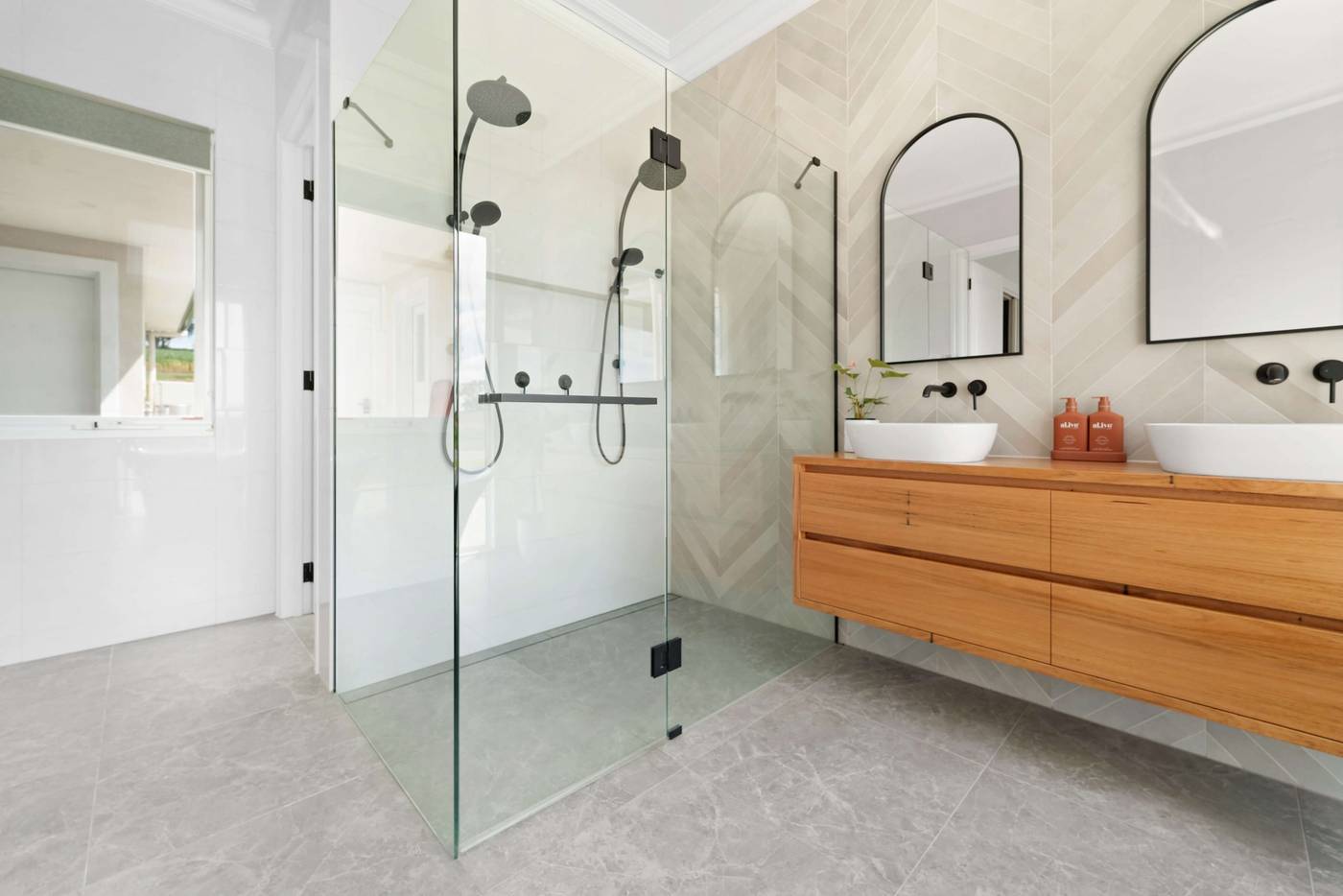
Rain heads, rail showers, hand showers and niches all need setting out so they finish exactly where you want them. Think about who uses the shower and how tall they are, and where you want the mixer so you can turn it on without getting wet.
Freestanding baths
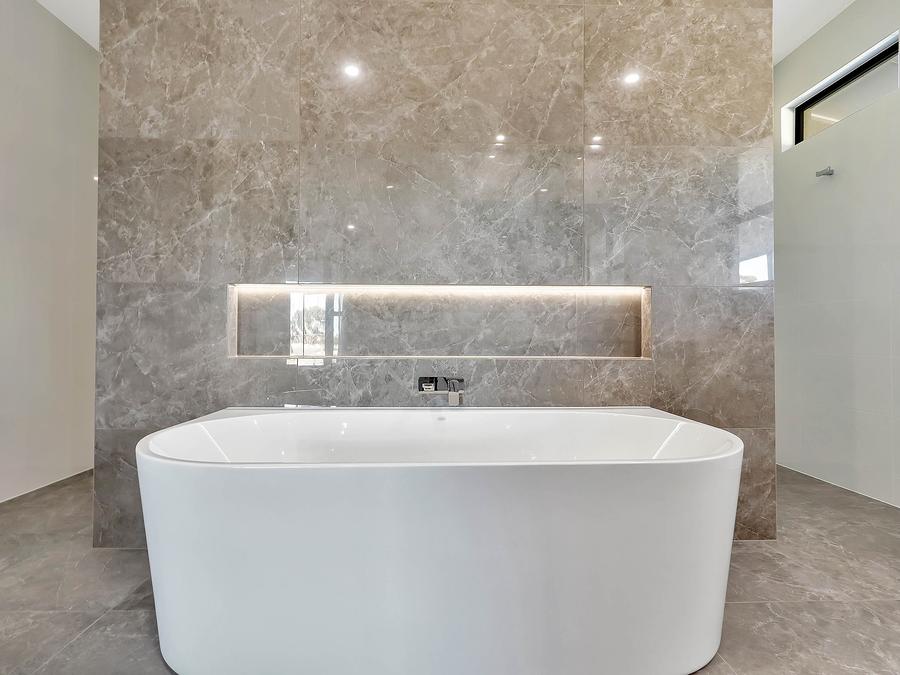
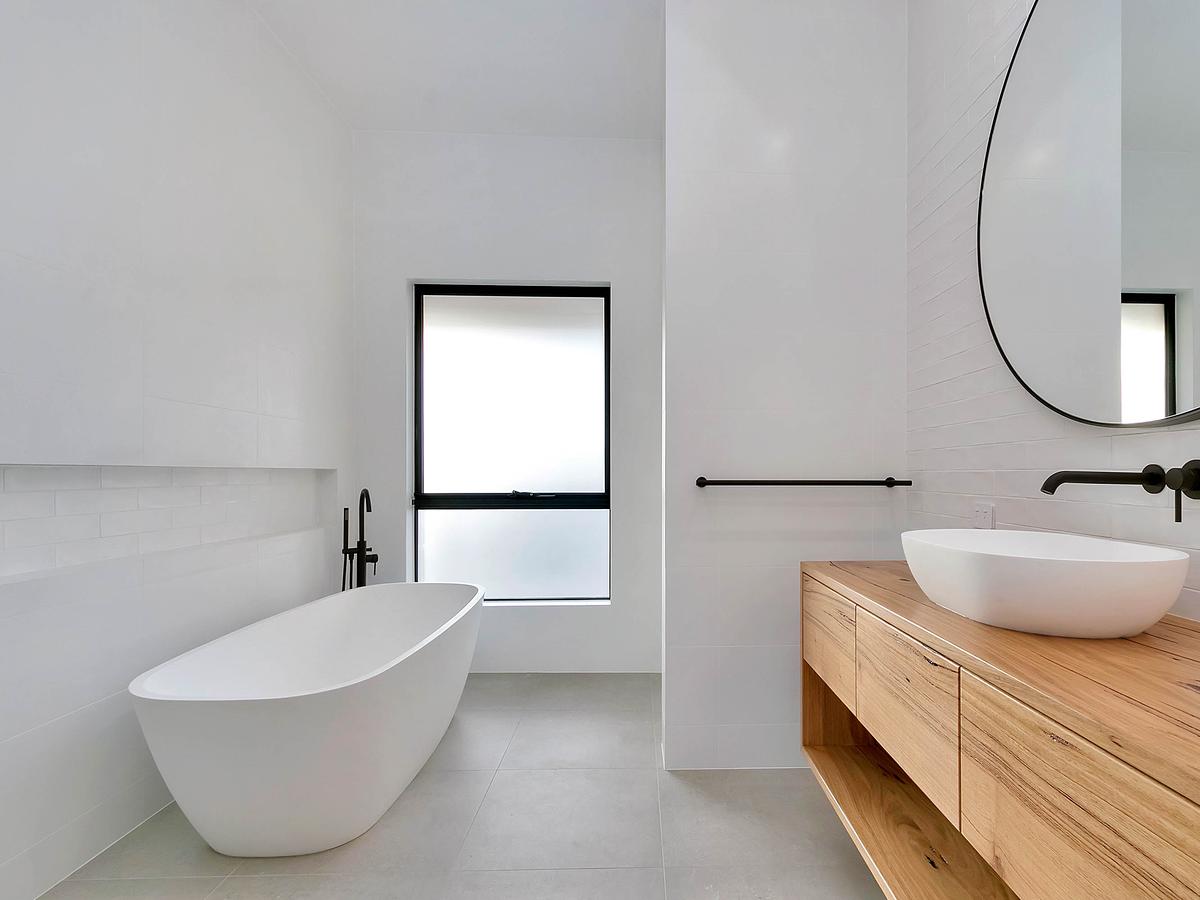
A floor-mounted bath tap is plumbed through the slab before the floor goes down. Decide where the bath sits before rough-in, because moving it later means lifting the floor.
Vanities
Wall-hung or floor-standing, the waste and taps are set to suit the cabinet. Having the vanity chosen, or at least its measurements, means the pipes come out of the wall in the right spot.
Toilets
Back-to-wall, wall-hung and in-wall cistern toilets each need something different behind the wall. An in-wall cistern goes in at rough-in, so choose the toilet before the frame is sheeted.
Want the plumbing priced before you lock in the layout? Ring Craig on 0499 319 297.
Can you move the shower or toilet?
Usually, yes. Moving pipes and drainage is a normal part of a renovation. What it involves depends on the house: the floor or slab, where the existing drains run, and whether there is enough fall for the waste to drain properly. Craig checks the layout and the slab first and tells you what the move involves, and what it costs, before any work starts.
Septic and CWMS homes
Many Barossa homes are on septic or a council CWMS rather than mains sewer. Replacing an existing bathroom like for like doesn’t usually change much. Adding a new bathroom or ensuite puts more water through the system, so mention it early. If the change affects the wastewater system itself, the council may need to approve it. Our septic and wastewater page covers the systems we look after.
Hot water while you’re at it
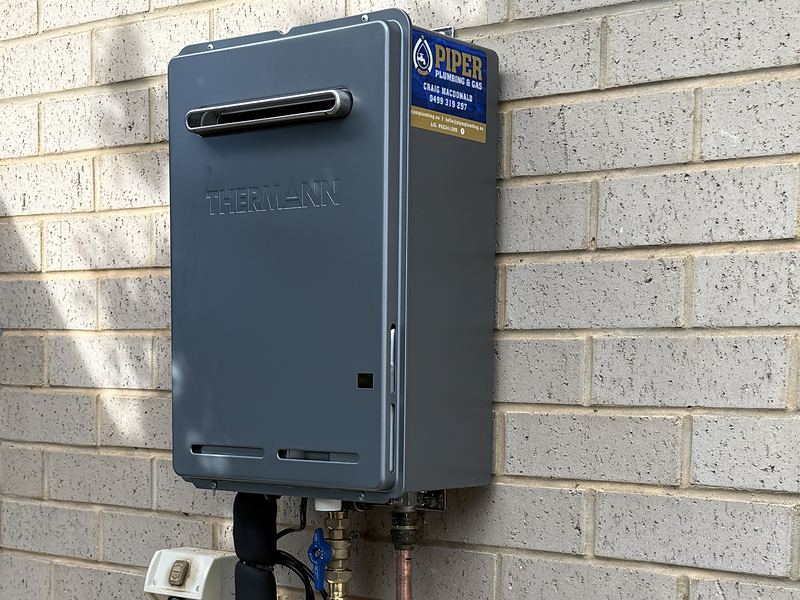
A renovation is a good time to look at the hot water. A bigger shower, a second shower or a bath can be more than an older system keeps up with. If you’re near the end of your current unit’s life, it is easier to sort it out while the trades are already on site. Our hot water page covers the systems Craig installs.
Doing the kitchen and laundry too?
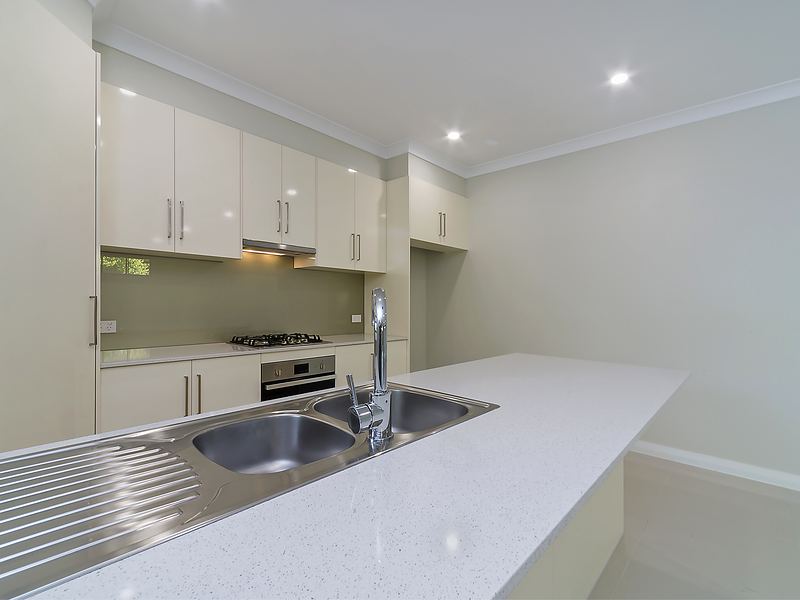
Sinks, dishwashers, laundry troughs and gas cooktops can be roughed in and fitted off on the same visits, which keeps the job moving. See kitchen and laundry plumbing. Craig is a master-qualified plumber and licensed gas fitter, so the gas side of a kitchen can be done at the same time.
We’re based in Williamstown and work right across the Barossa Valley, Gawler and surrounds, including Gawler, Tanunda and Angaston. Ring Craig on 0499 319 297, call Hayley in the office on (08) 8472 9507, or send us the details.
Sources
- The Barossa Council: Wastewater management (onsite wastewater applications)
- The Barossa Council: CWMS connections
Rules and schemes change. These sources were checked on 25 October 2026. Licence: LIC PGE341299.
More from the blog
- How often should a septic tank be pumped out in the Barossa?
- Heat pump, gas or solar hot water: which suits a Barossa home?
- Plumbing a rainwater tank into your house in SA
- Blocked drains and tree roots: signs, causes and fixes
- Gas leak or burst pipe: what to do before the plumber arrives
- Stormwater drainage problems: pooling water, overflowing pits and blocked downpipes
- CCTV drain inspections: what the camera shows and when you need one
- No hot water? What to check first, and when to call a plumber