A gas bayonet is a plug-in gas outlet on a wall or floor. A BBQ or heater made for it connects with a hose and a bayonet plug, and the outlet closes off when you unplug it. Putting one in means running new gas pipe from your supply, so in South Australia it has to be done by a licensed gas fitter, who tests it and gives you a Certificate of Compliance. Craig works on natural gas and LPG, licence PGE341299.
What you can run off a bayonet
- A BBQ on the verandah or deck, running off the house supply instead of a swap-and-go bottle.
- A gas heater in the lounge or family room, where the heater is designed to plug into one.
- Outdoor heaters and other appliances made for a hose connection.
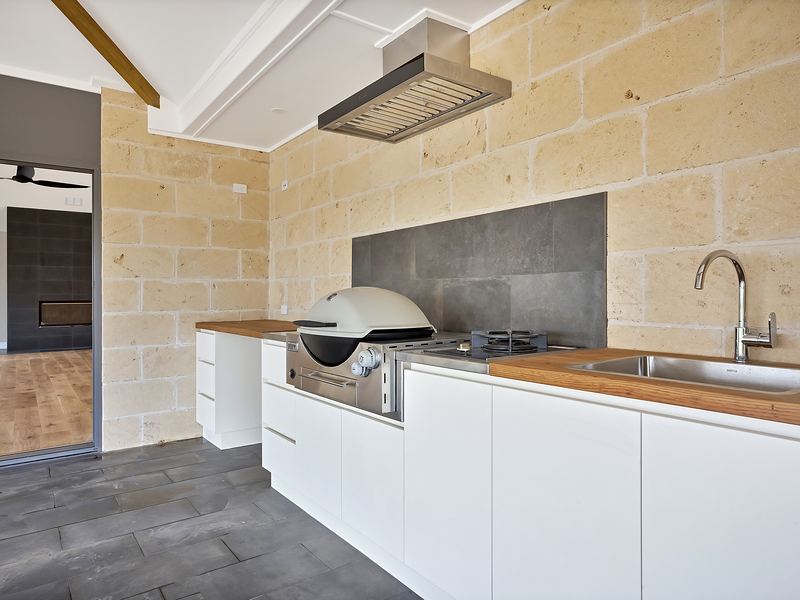
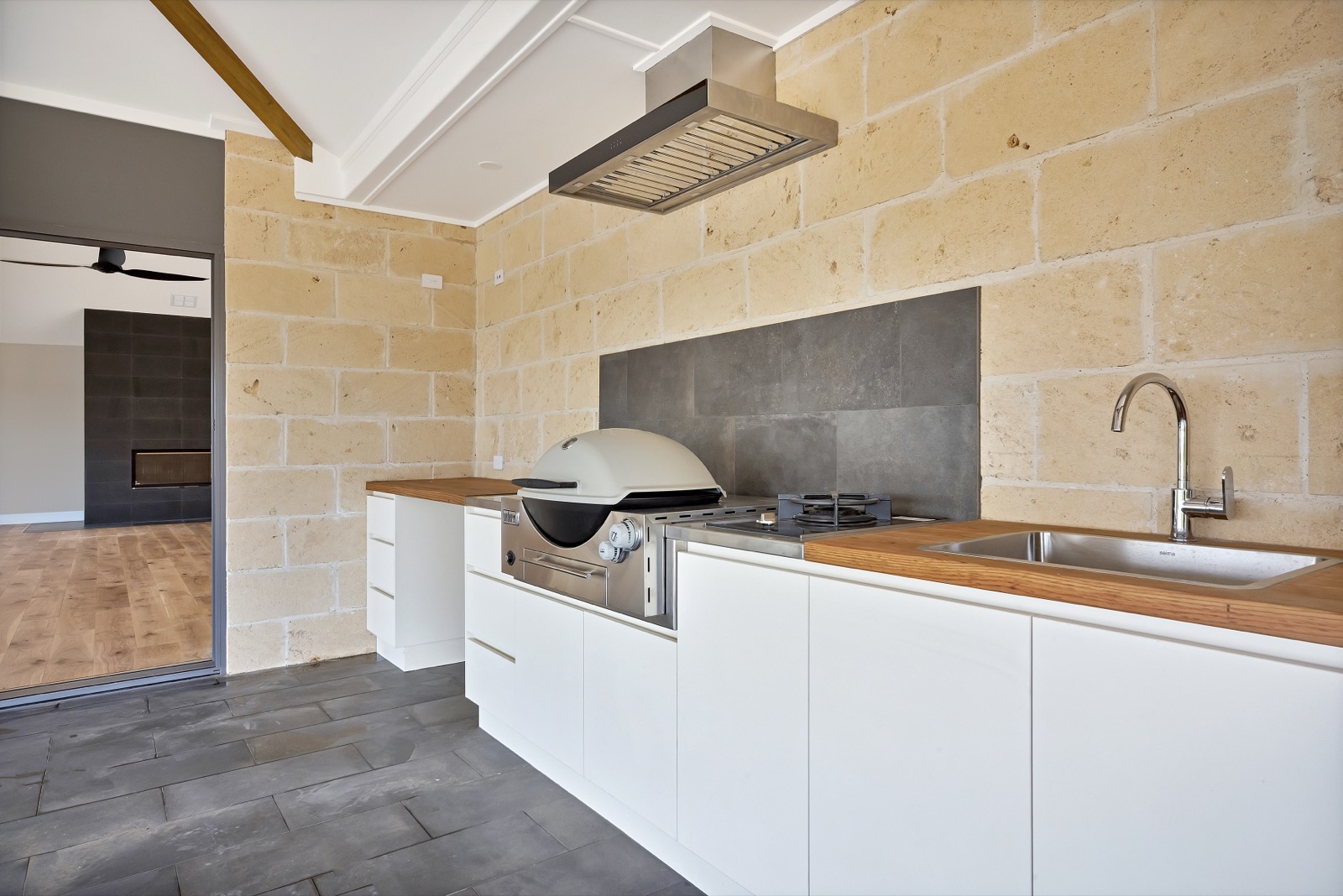
The appliance has to be made for a bayonet connection and for the type of gas you have, so check the data plate and the instructions before you buy. A built-in BBQ in an outdoor kitchen is a fixed installation. The SA Government says a fixed or built-in barbecue has to be installed by a licensed gas fitter, and you should get a certificate of compliance when the work is done.
Natural gas or LPG?
This is the first thing Craig will ask.
- Natural gas comes through a meter from the gas main. If there’s a gas meter on the house, you’re on natural gas.
- LPG comes from bottles. Plenty of rural Barossa properties run on bottled LPG for the cooktop, the heater and the hot water.
An appliance is set up for one gas or the other. An LPG BBQ can’t simply be plugged into a natural gas bayonet, or the other way round. Some appliances can be converted, and converting between gases is licensed gas fitting work: the SA Government lists it among the jobs that need a certificate of compliance. A portable BBQ running off its own small LPG bottle doesn’t need a bayonet at all. It’s when you want it on the house supply that you need a gas fitter.
How a bayonet job works
- Tell Craig the appliance and the spot. The make, model and gas type, plus photos of where it’s going and of your gas meter or LPG bottles. Email them to hello@piperplumbing.au.
- Check the supply. Craig works out the pipe route and size, and whether your supply can carry another appliance alongside the hot water, cooktop and heater.
- Run the pipe and fit the bayonet. Inside or out, to AS/NZS 5601.1, the Australian Standard for gas installations.
- Test it and leave the paperwork. The new pipework is tested, and you get an electronic Certificate of Compliance. The SA Government says you should receive it within 30 days of the job being finished.
Setting up a BBQ area before Christmas? Ring Craig on 0499 319 297.
What changes the price
- How far the pipe has to run from the meter or bottles, and how easy the route is to get to.
- Whether the existing supply is big enough for another appliance.
- Whether the bayonet goes inside or outside, and what it’s for.
Ring Craig on 0499 319 297 to talk it through. You’ll know the price before any work goes ahead.
Keeping a gas BBQ safe
The SA Government’s barbecue safety advice:
- Check the BBQ, hose and regulator are labelled as safety certified for use in Australia.
- Make sure the hose isn’t cracked, kinked, crushed or stretched, and replace it every five years.
- Only use a BBQ outdoors in a well ventilated area, never inside, and keep it clear of dry fuel in the fire danger season.
- On a bottle, turn the gas off at the cylinder first and then at the BBQ when you finish cooking.
- Have the BBQ checked by a licensed gas fitter every two years.
If you smell gas and there is an immediate danger, leave the area and call 000. Our post on what to do with a gas leak covers the rest.
Gas bayonets around Gawler and the Barossa
In Gawler and the newer estates, bayonets often go in with a new kitchen or outdoor area. Craig works in with your builder or cabinet maker so the gas ends up where the BBQ and the joinery need it. Out on rural blocks, a bayonet runs off the LPG bottles, the same supply as the cooktop and the hot water. More on our gas fitting page and our kitchen and laundry page.
We’re based in Williamstown and work right across the Barossa Valley, Gawler and surrounds, including Gawler, Nuriootpa and Lyndoch. Ring Craig on 0499 319 297, call Hayley in the office on (08) 8472 9507, or send us the details.
Sources
Rules and schemes change. These sources were last checked on 3 November 2026. Licence: LIC PGE341299.
More from the blog
- Low water pressure in the house: causes and fixes for Gawler and Barossa homes
- Hydro jetting in Tanunda and Nuriootpa: how it clears a blocked drain
- Blocked drains and tree roots: signs, causes and fixes
- CCTV drain inspections: what the camera shows and when you need one
- Stormwater drainage problems: pooling water, overflowing pits and blocked downpipes
- How often should a septic tank be pumped out in the Barossa?
- Gas leak or burst pipe: what to do before the plumber arrives
- No hot water? What to check first, and when to call a plumber
- Heat pump, gas or solar hot water: which suits a Barossa home?
- Plumbing a rainwater tank into your house in SA
- Bathroom renovations in the Barossa: how the plumbing side works